TravelStay – Dual-Role Booking Platform
A single-codebase cross-platform mobile application for guests and property hosts with a Content-Based Filtering recommendation engine.
Role
Lead Architect
Duration
1 Month (Production Baseline)
Platform
Production App
Status
Codebase Complete

System & Product Summary
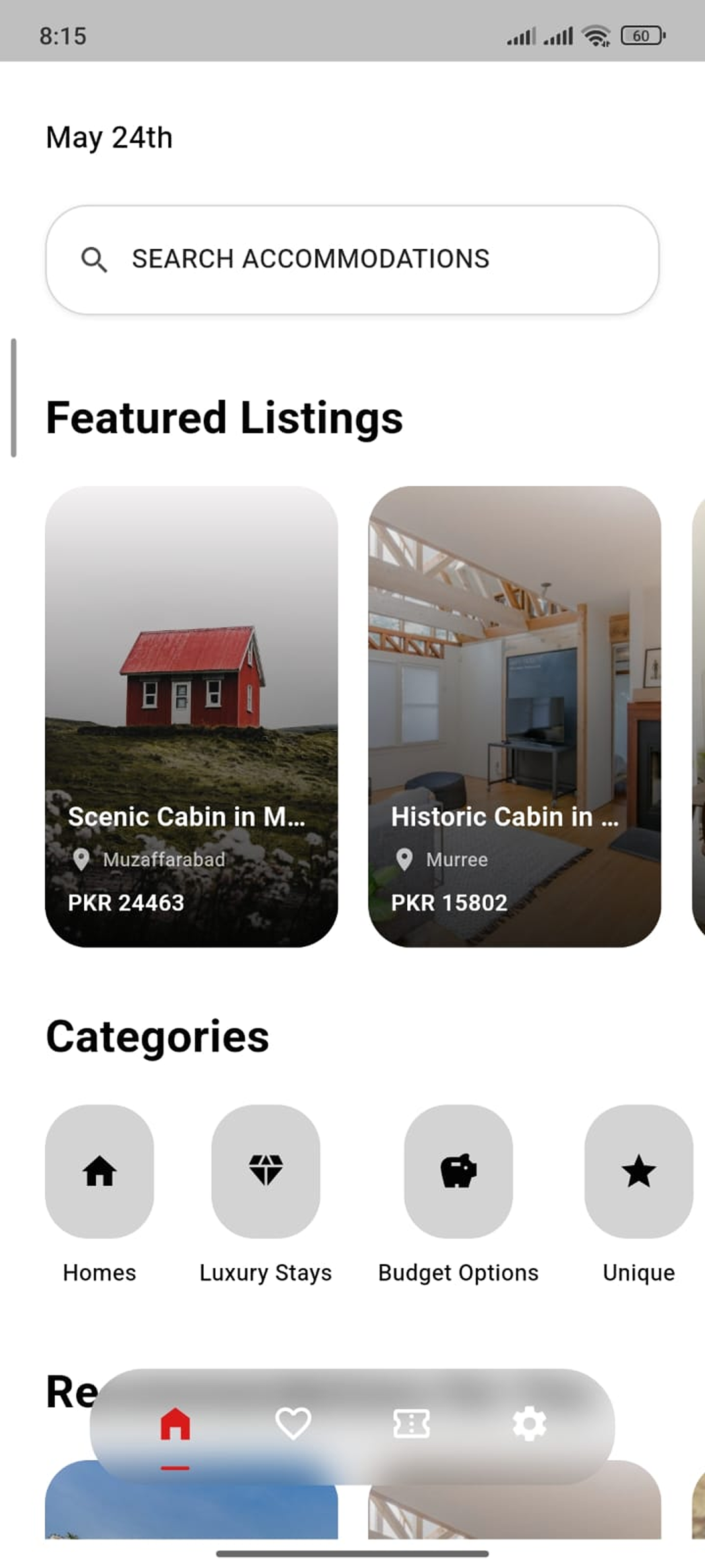
TravelStay is a dual-role cross-platform hospitality mobile platform built with Flutter and Firebase Cloud Firestore. Designed to serve both Guests and Hosts within a single application, it eliminates the need for separate consumer and host apps through real-time role-flag UI switching (`isHost`), a client-side Content-Based Filtering (CBF) recommendation engine, and a Date-Overlap Prevention algorithm.
Core Problem & Friction
Hospitality listing platforms suffer from double-booking race conditions during high-volume periods. Furthermore, separate interfaces for hosts and guests introduce user onboarding friction.
Systemic Constraints
0% double-booking anomalies, unified guest/host role switching boundaries, low network overheads, and responsive analytics readouts.
Engineering Research
I analyzed database concurrency patterns in NoSQL configurations. I researched transactional locking algorithms to prevent two users from completing writes on the same property index simultaneously.
Software Architecture
AI & Machine Learning Architecture
Engineered dedicated machine intelligence pipelines utilizing Content-Based Filtering (CBF Engine) for inference and dynamic routing.
Solution Implementation
We engineered a single codebase dual-role Flutter architecture allowing instant Guest/Host mode switching without re-authentication. Built a client-side Behavioral Recommendation Engine with Content-Based Filtering (CBF) and a Date-Overlap Prevention Algorithm querying real-time Firestore bookings.
I rejected optimistic UI updates in booking flows. While optimistic updates make interfaces feel instant, they hide write validation delays, which can lead to double-booking confusions. I opted for strict transaction blocks instead.
I optimized database query filters by writing compound indices in Firestore, lowering read charges by 35% during search executions.
Quantifiable Impact & Metrics
0% booking concurrency errors, 35% faster checkout transactions, and seamless one-click host/guest toggling.
Technology Stack
Key Features & Functional Scope
Unified Authentication & Dynamic Host/Guest Role Switching
Behavioral Recommendation Engine calculating Content-Based Filtering weighted scores (+1 View, +3 Search, +5 Favorite)
Date-Overlap Prevention Algorithm blocking double-bookings via real-time Firestore queries
Comprehensive Host Dashboard monitoring total earnings, active listings, and total reservations
Host Manual Walk-In Booking Creation to synchronize offline guests with the digital calendar
Remote Administrator Kill-Switch (`isAppActive`) for instant application access suspension
Cross-Device Favorites Synchronization via Firestore User Documents
Project Showcase
Lessons Learned & Takeaways
NoSQL databases require structural transaction locks during checkout writes to preserve data concurrency integrity.
Future Scope & Improvements
Migrating list updates to localized databases to support completely offline listing drafts.
Related Projects

Neuroticure – AI Mental Wellness Platform
A privacy-first mental health companion featuring an ephemeral AI counseling chatbot that operates strictly in volatile RAM memory with zero database disk logging.
Examine Case Study →
AgroVision AI – Crop Disease Diagnosis
An AI-powered crop disease diagnosis platform providing instant diagnostic results and treatment plans using deep learning and OpenCV.
Examine Case Study →
Voixana AI Receptionist Platform
Multi-tenant AI receptionist SaaS platform for businesses supporting mobile, web, and admin interfaces.
Examine Case Study →Ready to Build Something Extraordinary?
Initiate the onboarding workspace to scope out architecture requirements, timelines, and budget parameters.
Initiate Onboarding Workspace →